
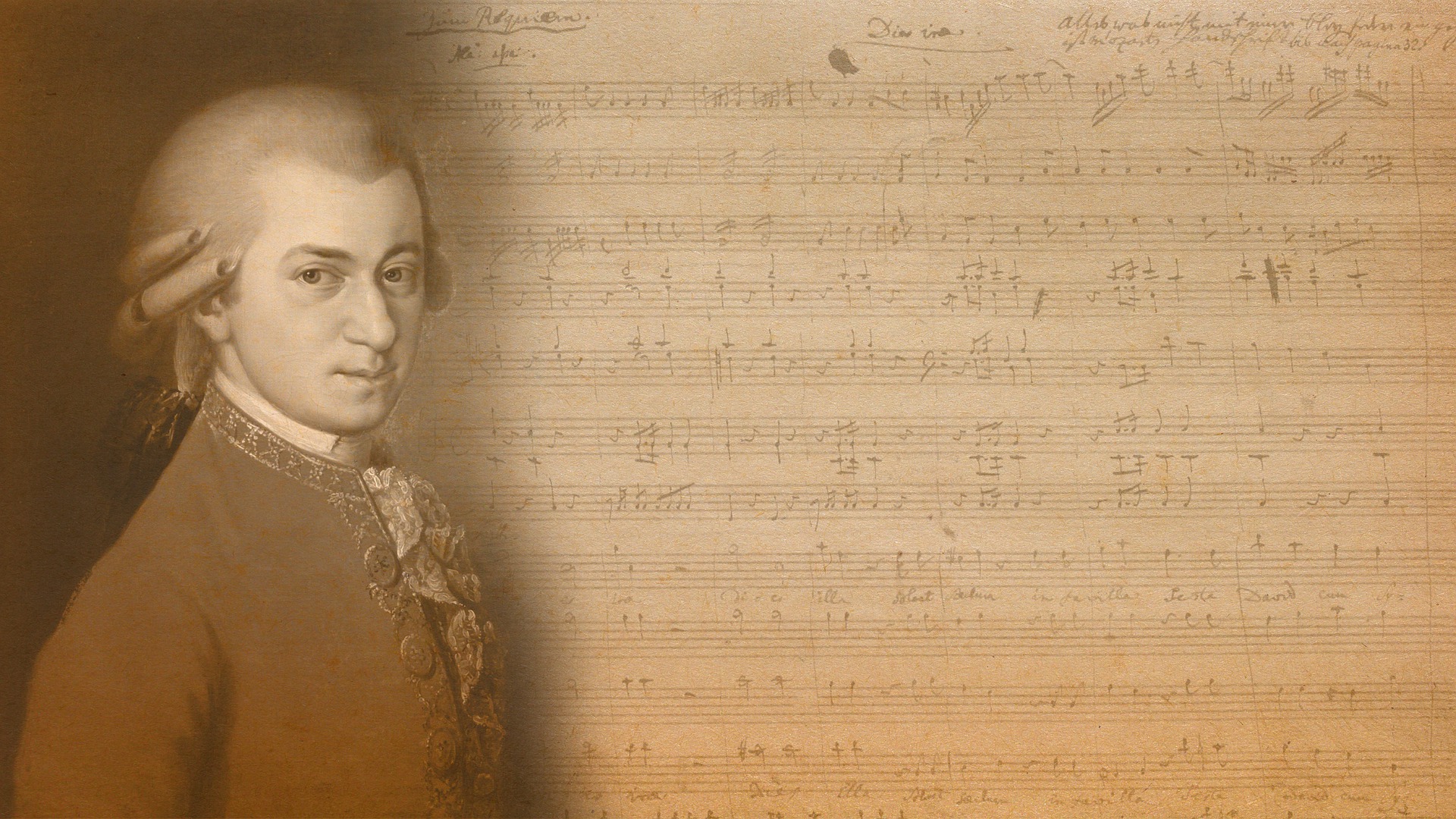

Discover the timeless appeal of Mozart and experience classical music in Vienna
Some melodies stay with us long after the music has ended. The compositions of Wolfgang
Amadeus Mozart have fascinated audiences for generations, combining elegance, emotional
depth, dramatic tension and remarkable musical clarity. But what makes Mozart’s music so
enduring? And why is hearing classical music live such a memorable part of visiting Vienna?
Mozart: A musical genius with a lasting legacy
Wolfgang Amadeus Mozart was born in Salzburg in 1756. His extraordinary musical abilities
became apparent at a very young age, and he travelled throughout Europe as a child performer
with his family. These experiences exposed him to different musical traditions and helped shape
his development as a composer.
Vienna became one of the most important places in his career. As a composer, pianist and
independent musician, Mozart created works that remain central to the classical music repertoire.
His compositions include operas, symphonies, piano concertos and chamber music. His string
quartets, in particular, demonstrate his ability to create musical conversations between
instruments, giving each voice its own character while maintaining a beautifully balanced whole.
Why does Mozart’s music still move us?
Mozart’s music often sounds effortless. Beneath its apparent simplicity, however, lies
extraordinary craftsmanship. Melodies unfold naturally, musical ideas return in unexpected ways,
and moments of lightness can suddenly reveal emotional complexity.
A familiar example is Eine kleine Nachtmusik, known in English as A Little Night Music. Its opening
is energetic, elegant and immediately recognisable. Other works reveal a more reflective side of
Mozart, moving between tenderness, uncertainty, joy and dramatic intensity.
Part of the magic lies in the details. A subtle harmonic change, a shift in dynamics or an exchange
between instruments can transform the character of a passage.
At a live classical concert, these details become especially vivid. Instead of simply recognising a
familiar melody, listeners can experience how the music develops in real time.
The intimacy of chamber music
A traditional string quartet consists of two violins, a viola and a cello. Each instrument contributes
a distinct voice, but the music depends on the musicians listening and responding to one another.
This makes chamber music particularly rewarding. A melody introduced by one violin may be
continued by another instrument, while the remaining voices provide rhythm, harmony or a
contrasting musical idea.
The result is a conversation without words. Listeners can follow the musical exchanges and
appreciate the individual character of each instrument.
Mozart’s chamber music offers an excellent introduction to this experience. Its clarity makes
individual musical lines easier to follow, while its expressive depth rewards attentive listening.
Vienna: A city shaped by classical music
Vienna is one of Europe’s great musical capitals. Mozart, Beethoven, Schubert and many other
composers contributed to the city’s extraordinary cultural heritage.
For visitors, Vienna offers more than historic palaces, museums and architectural landmarks.
Classical music remains an active part of its cultural identity.
A concert at St. Peter’s Church brings this tradition into a remarkable historical setting. The
church’s Baroque architecture and ornate interior create an atmosphere that feels very different
from listening to a recording at home.
Classic Ensemble Vienna performs classical repertoire in this setting, with music by composers
including Mozart, Bach and Vivaldi. The exact works vary, so visitors should consult the current
concert programme before planning their evening.
Enjoy classical music, even if you are a beginner
You do not need formal musical training to enjoy Mozart. There is no need to read sheet music or
understand every historical detail.
Instead, listen for the mood of a piece. Does it sound joyful, mysterious or reflective? Which
instrument catches your attention? Does the atmosphere change as the music progresses?
These simple observations can turn a concert into a personal discovery. Every listener hears
something different, and there is no single correct way to experience the music.
For travellers who want to discover Vienna beyond its most famous sights, a live classical concert
is an accessible and memorable cultural experience.
Experience Mozart’s musical world in Vienna
Mozart’s music reminds us that great art can transcend its own time. Created centuries ago, his
compositions continue to speak to audiences across generations and cultures.
If you are visiting Vienna, consider adding a classical concert to your itinerary. It is a wonderful
way to connect with the city’s musical heritage while enjoying the atmosphere of a historic
church.
Explore the Classic Ensemble Vienna concert programme and check the latest concert dates and
ticket availability.
Discover the enduring magic of classical music in the heart of Vienna, where musical tradition and
Baroque architecture come together at St. Peter’s Church.

